-
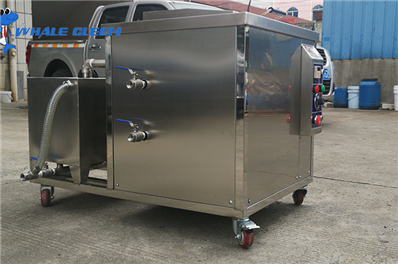 Ultrasonic Cleaning Equipment: The Superior Solution for Metal Parts Cleaning
In the realm of industrial cleaning, especially when it comes to metal parts, choosing the right cleaning method is crucial for maintaining both the performance and longevity of components. Ultrasonic cleaning equipment has emerged as a leading solution,
-
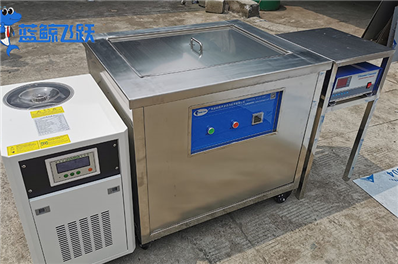 Ultrasonic Cleaning Equipment: Revolutionizing Metal Parts Cleaning Efficiency
1. Introduction In the manufacturing industry, the cleanliness of metal parts directly impacts product quality and performance, making advancements in cleaning processes a constant pursuit. Ultrasonic cleaning equipment, as an advanced tool, is increas
-
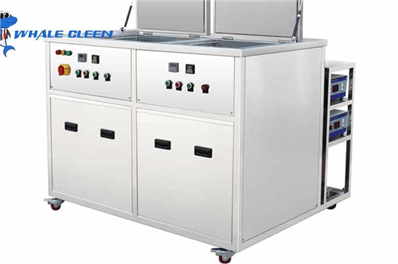 Stuck with Grinding Dust Embedded in Batch Workpiece Crevices? Manual Cleaning Is Draining Your Labor Budget and Driving Production Costs Through the Roof
Walk into any metalworking shop, stamping plant, or machining facility, and you will see the same scene repeated shift after shift: workers hunched over parts bins, scrubbing with brushes, picking at crevices with picks, blowing compressed air into blind
-
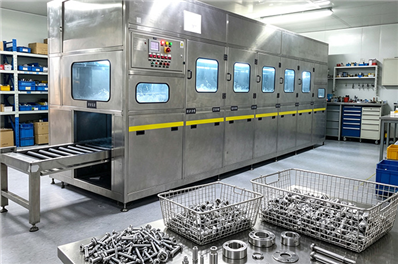 Ultrasonic vs. Electrolytic Ultrasonic Cleaning: What's the Real Difference in Metal Finishing Cleanliness?
In metal finishing and electroplating operations, cleanliness is not just a quality metric—it is the foundation upon which adhesion, corrosion resistance, and final product performance are built. A single speck of oil residue on a stamped metal part can c
-
 Ultrasonic Cleaning Machine: The Definitive Solution for Rust and Oil Contamination That Spray Cleaning Leaves Behind
In metal parts manufacturing and heavy equipment maintenance, few scenarios are as frustrating—and as costly—as the inspection failure that follows an inadequate cleaning process.The scenario plays out in workshops every day: a batch of precision metal co
-
 Enhancing Aviation Safety and Performance: Ultrasonic Cleaning of Metal Aviation Parts
Cleaning metal aviation parts is a critical process that directly impacts the safety and performance of aircraft. Metal aviation parts are exposed to various environmental factors, such as dust, dirt, oil, and corrosive substances during flight. Over time
-
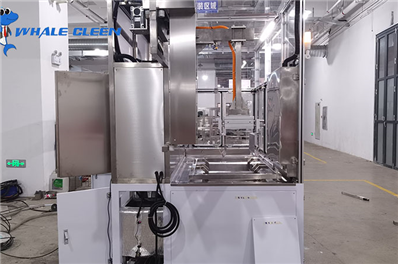 What is a Nano Ultrasonic Cleaning Machine? An In-depth Overview
1. Introduction Ultrasonic cleaning technology has been widely used in various industries for cleaning delicate and complex parts. From jewelry and precision instruments to medical devices and automotive components, ultrasonic cleaners offer high effic
-
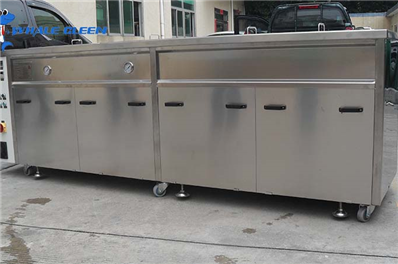 Ultrasonic Cleaning Machine for Blind Holes: How Whale Cleen Meets Strict Acceptance Standards
In precision manufacturing, the most difficult contamination is often the contamination you cannot see. Fine blind holes, narrow slots, threaded ports, and tight crevices can trap polishing dust, lapping residue, metal fines, and oil film. A part may look
-
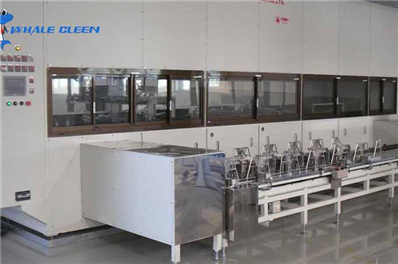 Same Ultrasonic Cleaning, Why Are Some Aerospace Fastener Yield Rates So Much Higher?
In aerospace manufacturing, few quality metrics are as unforgiving as fastener cleanliness. A single micro-fastener — a titanium alloy bolt, a high-strength steel screw, a threaded insert — can carry cutting fluids, lapping compounds, or microscopic metal
-
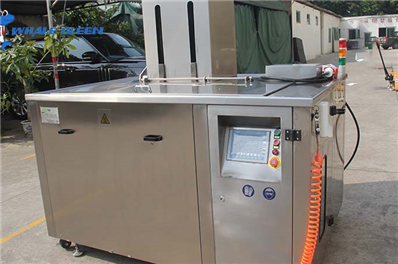 How Ultrasonic Cleaning Reaches the Thread Roots of Micro-Fasteners for Deep Chip and Oil Removal
In precision manufacturing, few challenges are as persistent—or as costly—as cleaning micro-fasteners. Screws, bolts, and threaded inserts with diameters under M2 feature intricate geometries: narrow thread valleys, blind holes, and sharp internal corners
-
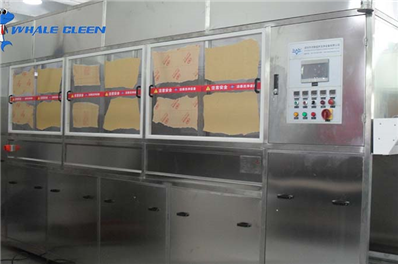 Ultrasonic Cleaning Machine: Solving the Batch Cleanliness Inconsistency Crisis in Aerospace Fastener Manufacturing
In aerospace manufacturing, a single contaminated fastener can compromise an entire assembly. Threaded surfaces trap machining oils, metal chips, and microscopic particulates that, if not completely removed, directly affect torque values, joint integrity,
-
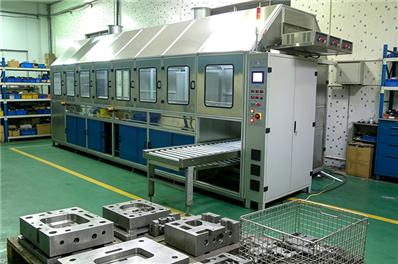 No Harsh Chemicals? How to Achieve Micron-Level Cleanliness for Nickel-Plated Substrates
You've dialed in the nickel plating bath chemistry. The temperature is right, the current density is optimized, and the dwell time is precisely controlled. Yet the plating still blisters. The cross-hatch test fails. The adhesion just isn't there.T